Not every office improvement requires a full refurbishment.
Some of the most effective changes are small, considered upgrades that can be implemented within a few weeks. If you manage an office of 20 to 150 people and want to improve the space this quarter without committing to a major project, there are several practical steps you can take.
Here are some high-impact fixes that make a real difference to how your team works and feels.
Upgrading your office chairs
One change that delivers immediate impact in an office is upgrading your chairs.
Your team spends much of its day sitting. Poor quality or incorrectly specified chairs lead to discomfort, reduced concentration, and increased DSE concerns. Over time, they can also affect morale.
A well-designed ergonomic chair supports natural posture, adjusts to different body types, and reduces strain on the back, shoulders, and neck. As specialists in ergonomics, we always recommend chairs that can be properly adjusted to suit the individual rather than relying on a one-size-fits-all solution.
If your chairs are more than 7 to 10 years old, or if staff regularly mention discomfort, it may be time to review them.
Introduce Height-Adjustable Desks
Adding electric height-adjustable desks allows employees to vary their posture throughout the day while maintaining their work duties. This simple change can improve energy levels and focus by providing changes in movement.
You do not need to replace every desk at once. Many organisations start by installing a small number in shared areas or upgrading desks for team members with specific musculoskeletal concerns. Trialling a few workstations this quarter can help you gather feedback before deciding on wider rollout.
Rethink Your Layout
Sometimes the issue is not the furniture but the way it is arranged.
Offices tend to evolve. Desks are added, teams grow, and spaces are repurposed. Eventually, the layout stops supporting the way people actually work, especially with the rise of hybrid working.
A simple space planning review can improve flow, create clearer zones, and identify underused areas. Even small adjustments can reduce distractions and encourage collaboration.
Create a Dedicated Breakout Space
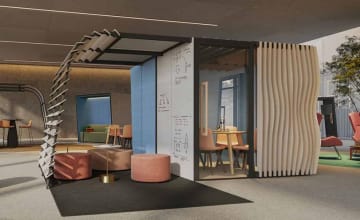
If your office lacks an informal area for collaboration or quiet thinking, consider reworking an underused corner. Introducing soft seating or a small meeting table can provide alternative settings for focused work and informal conversations. This helps reduce pressure on formal meeting rooms and gives teams more choice in how they work.
Often, this is not about structural change. It is about using the space you already have more thoughtfully.